Chasing the Aurora
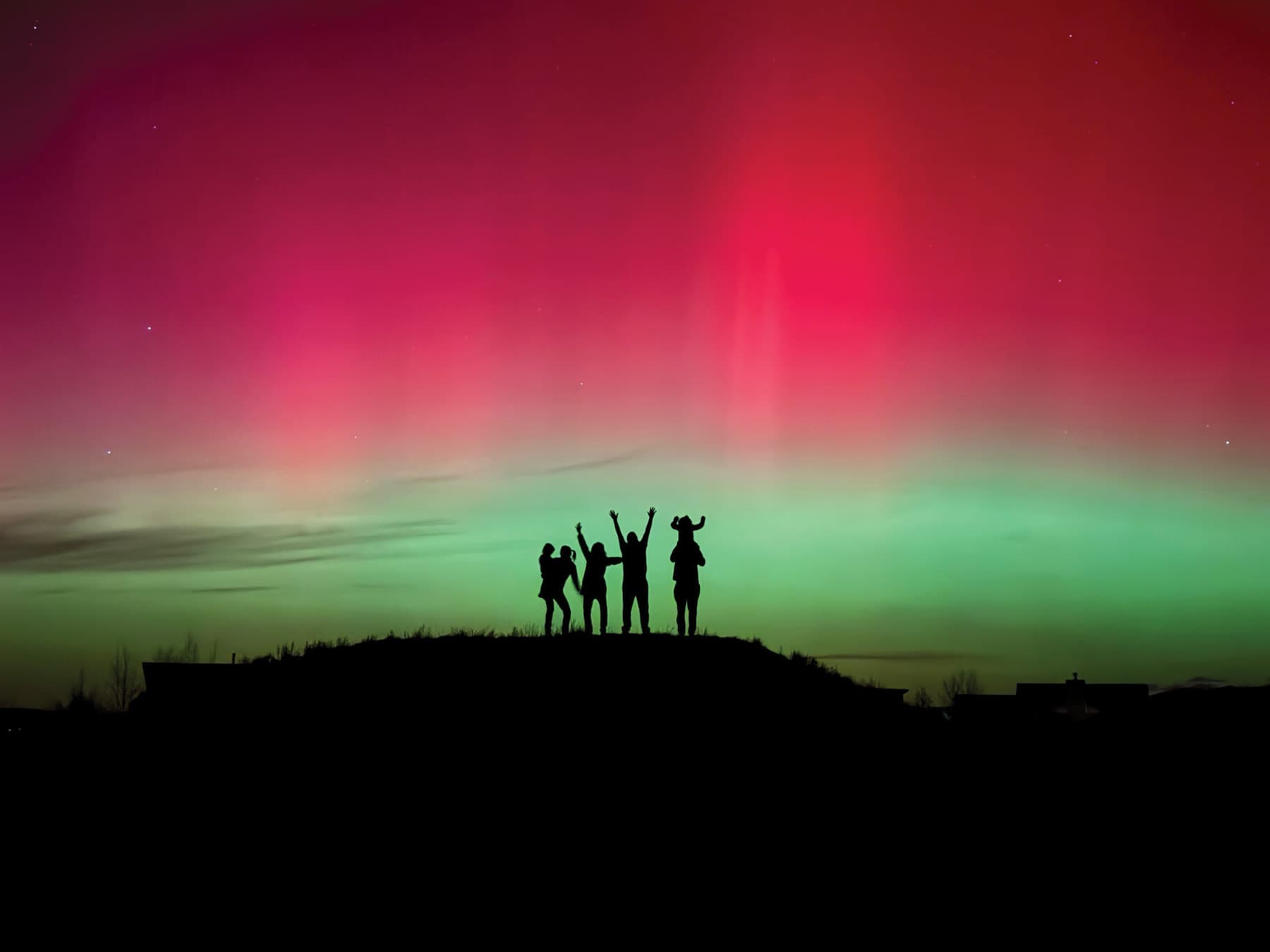
Just after sunset on a mid-November night, Teton Valley’s sky started glowing red. A flurry of texts, calls, and Facebook posts swept through the valley as people urged their loved ones to go outside and look up. For hours, people marveled as the aurora borealis danced in the night sky, with curtains of reds, purples, and greens shifting and changing overhead.
It is rare to see the aurora borealis (also known as the northern lights) in Teton Valley. The sun’s solar cycle is approximately eleven years long, and only when it peaks—as in recent years—does local auroral activity increase.
“It’s one of the many things in Teton Valley that make it very special to be here,” says Bruce Mason, the area’s genial weatherman and the mastermind behind the highly regarded Teton Valley Weather Facebook page. “Most places you live, there’s just no chance of seeing the aurora. It’s too bright, too far south. But there are so many things here about Teton Valley that make weather and space weather unique.”
While receiving a text is fun, there are plenty of scientific ways to predict auroral activity. The aurora occurs when the sun ejects charged particles into space, which then interact with Earth’s atmosphere and release the “extra” energy as light. The color of the aurora is related to the type of gas and the altitude of this interaction. Green is the most common color, and it occurs with oxygen about 60 to 120 miles above Earth’s surface, while red comes from oxygen more than 120 miles up. Nitrogen produces blues above the 60-mile mark, and a range of reds, purples, and pinks below it.
Northern regions in the “auroral oval,” such as Alaska, Canada, Iceland, and parts of northern Europe, are generally the best places to see the lights. However, if you get too close to the poles, you may end up above the oval and unable to see the aurora. The same phenomenon also takes place in the Southern Hemisphere, where it is called “aurora australis” or southern lights.
The northern lights are especially likely to occur following periods of increased solar activity such as coronal mass ejections, when large amounts of magnetized plasma erupt from the sun. Since solar particles can take some time to reach Earth, we often have a bit of warning.
A number of websites, including NOAA’s Space Weather Prediction Center and Space Weather Live, can provide information about auroral possibilities. Bruce also typically updates followers on Teton Valley Weather when the odds are good. After a sighting, the page is flooded with photos from enthralled viewers.
Dark skies are vital to seeing the lights. “We see [auroras] mostly in the winter, because we have more hours of darkness then,” Bruce says. “This creates a better window for seeing the aurora.”
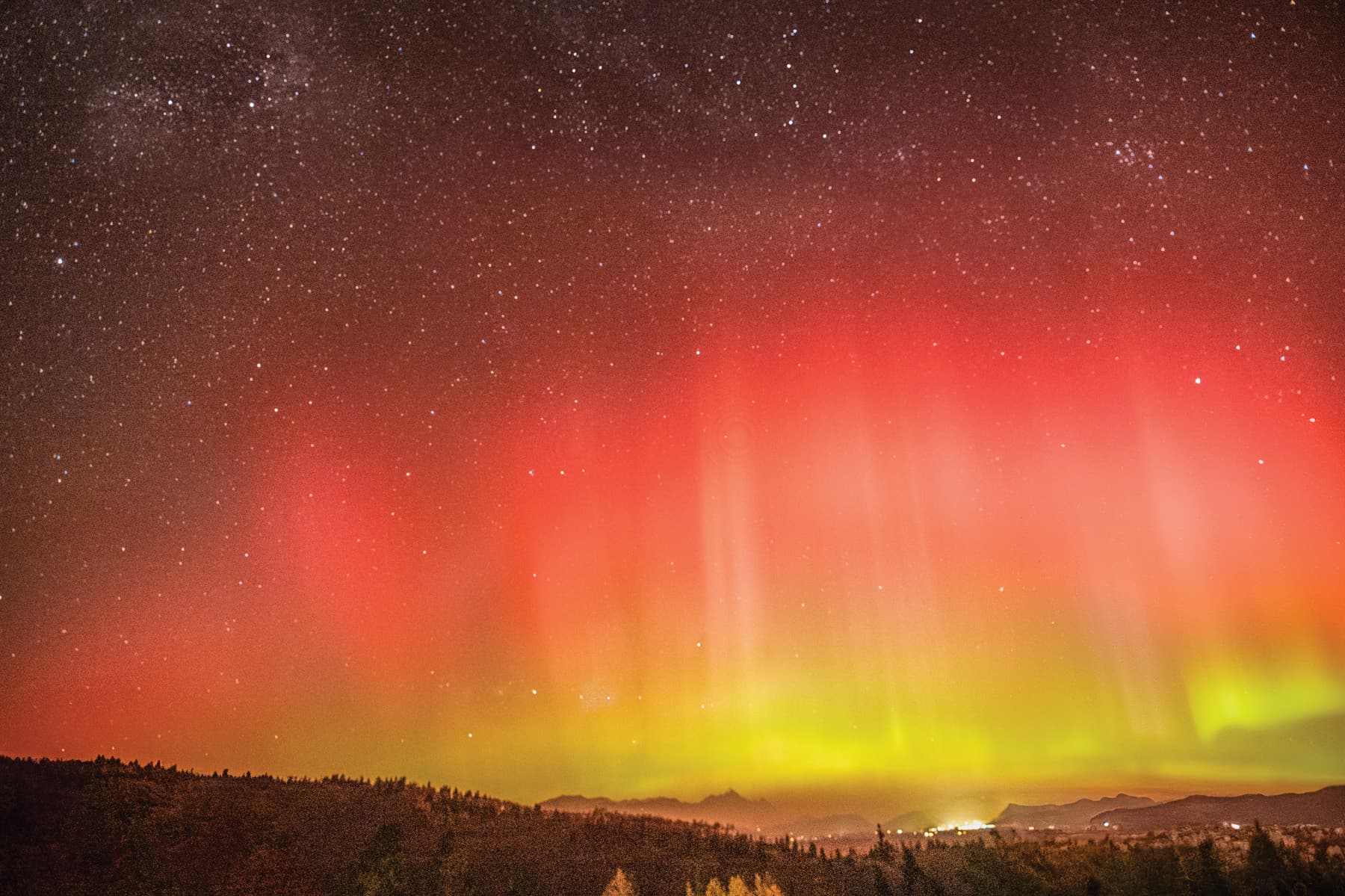
Once you know there is solar activity, and you’ve found a good dark location to wait and watch, look first with your eyes, then through the lens of a camera or cell phone. These devices can draw in a lot more light than your unaided eye, and they can make a faint aurora—or even one you can’t see with the naked eye— appear far more vibrant. “Be patient,” Bruce says, “and look toward the north because that’s where the aurora is the strongest.”
Some valley residents travel to more aurora-prone destinations for a greater viewing probability. Michael Adler, who lives on the east side of Teton Pass in Wilson, Wyoming, is an astrophotographer who captures nebulas, galaxies, and all sorts of phenomena associated with the night sky. He photographs the aurora whenever and wherever he can. Michael has shot plenty of images right here in the Tetons, and has also traveled to places like Iceland.
Michael suggests, when planning a trip to see the northern lights, aiming for a moonless period if possible. Heading north also helps, but be mindful of sunrise and sunset times. High-latitude locations have longer days in the summer, making it potentially too bright to see the aurora. Weather can also interfere with viewing, so planning a lengthier trip will allow for better viewing odds.
While it’s amazing to see the aurora in different locations around the world, it’s incredibly special to see it right here at home in Teton Valley.
“Teton Valley is where we get a chance to see these kinds of things and lots of other weather phenomena, too, that people only hear about or read about in the news,” Bruce says, “Here, we get it all.”
Aurora Photography Tips
Set the Scene
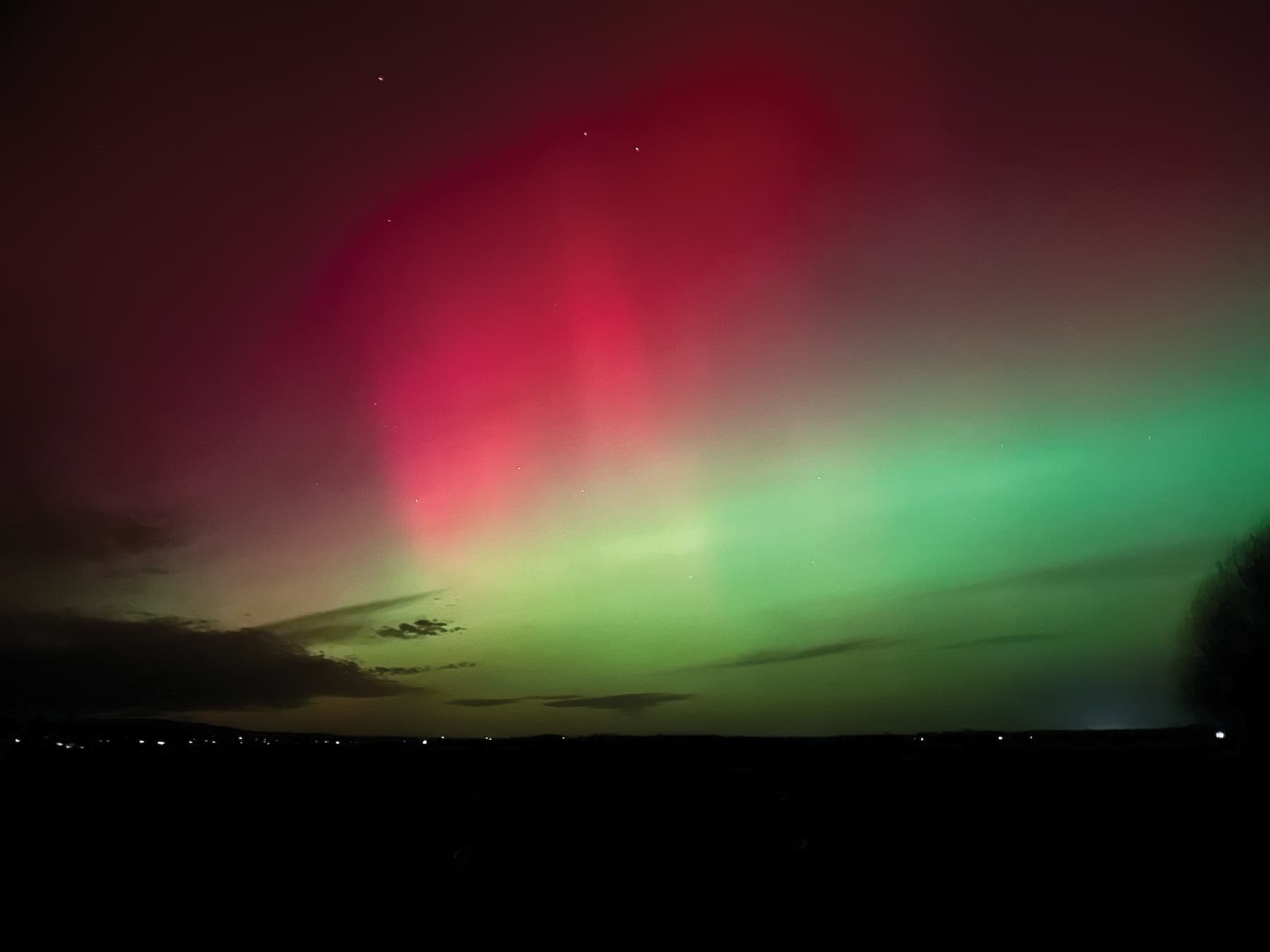
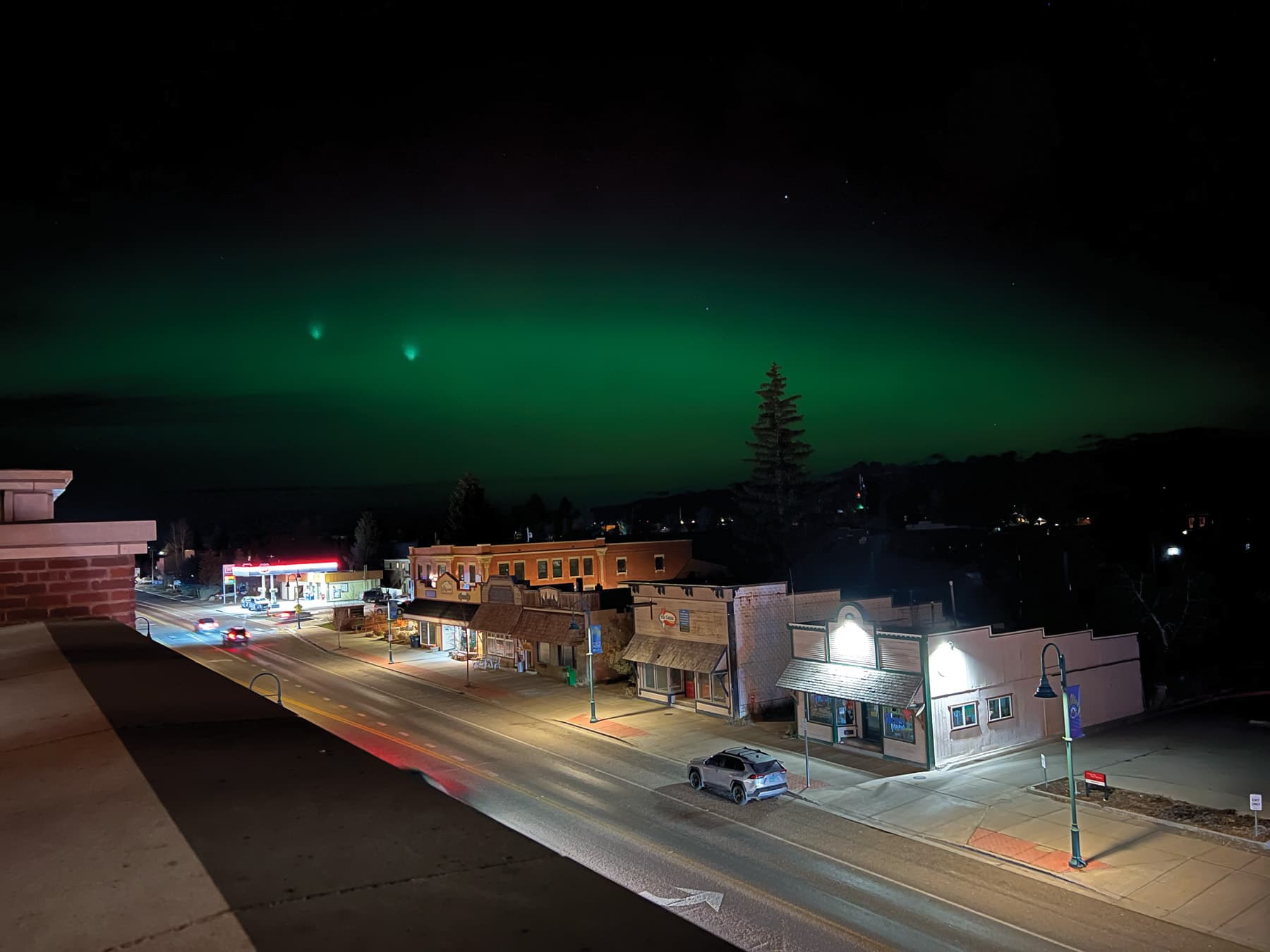
“It’s always nice to have a pretty foreground in the picture,” says Michael Adler, who has captured the northern lights against the Tetons. When he traveled to Iceland, he was able to plan for images that included auroral reflections in the water along the coast. When scouting locations, he says it’s best to go during daylight hours so you can spot any hazards that might be difficult to see at night.
Use a Tripod
Holding the camera steady for a longer exposure is key to taking good aurora photos, so be sure to utilize a tripod. If you’re using a cell phone, you can get an adapter to mount it on the tripod.
Know Your Settings
Spend time figuring out how to use your camera before the aurora is dancing over your head. “It is best to experiment with the ISO and exposures to get them right,” Michael says. “Once you have them, operate the camera manually, setting the exposure you worked out. Any exposure longer than thirty seconds will blur the stars. Also, the aurora is constantly changing, so a relatively fast exposure is best.”