Food Shed Idaho
Seconds after arriving at Cecily Costa’s specialty grocery store, I have an espresso and biscotti in hand. Both the biscotti and Cecily are freshly returned from Torino in northern Italy.
Her vacation could be described as part educational and part work: she needed to visit her vinegar producer near Parma, where she also took a two-day course in acidity.
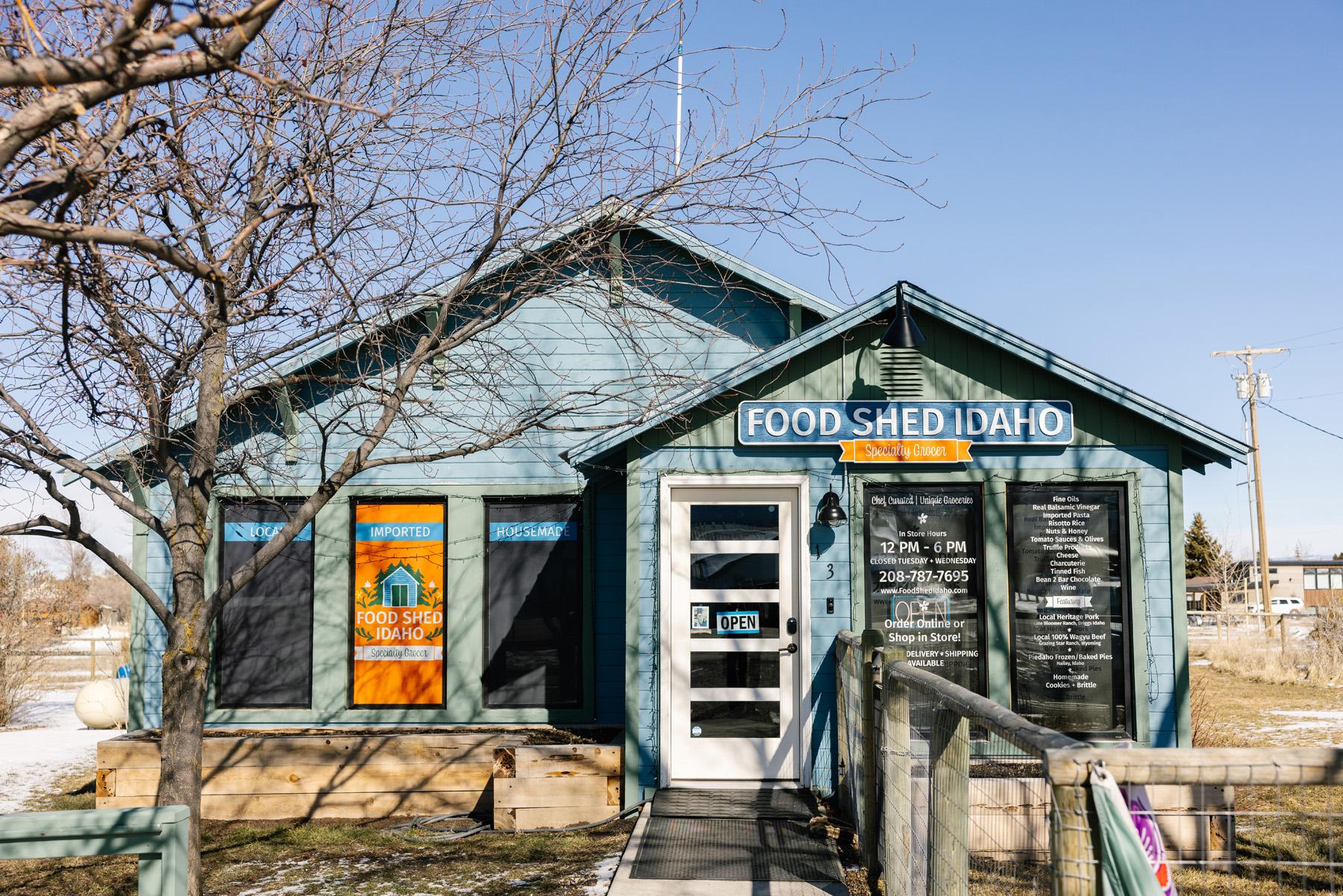
Cecily is the lively and singular owner of Food Shed Idaho, Victor’s specialty food store. We sit like old friends at her countertop as jazz à la Billie Holiday emanates from an unseen speaker and artful cans of tinned fishes from the world over periodically pull my eye. As I sip my drink, Cecily is cheerfully educating me on the varying caffeine levels in espresso and drip coffee. Hint: they’re not what you think.
Shelf space is limited in Food Shed Idaho, a fact that only enhances the story behind every product Cecily sources and deepens the importance of its presence in her curated space.
“For me, specialty is something that’s authentically made with one or a few ingredients that are unique and have a limited availability,” Cecily says.
There are understated, elegant balsamic vinegars and Tuscan pasta sourced from a family that’s been in business for seven hundred years. There’s Scandinavian chocolate, fragrant Greek thyme, and an assortment of bespoke olive oils.
“Did you know that many olive oils in the grocery store aisle are actually [from] the same producer?” Cecily asks. “Their goal is to command shelf space.”
Cecily’s gift is her ability to deftly switch between the roles of educator, advocate, and translator for the layperson trying to make informed choices about how the food they purchase nourishes their bodies and whom their dollars support.
“Supermarket pasta may say it comes from Italy, but it may not be made with Italian flour,” Cecily says. “It may say ‘Made in Italy’ but it’s not. ‘Produced’ means it was grown there. If I can help you read a label in another store and feel better about making a decision, I’m happy.”
Cecily’s appetite for food began at a young age.
“I came out with a terrific appetite,” she laughs. “I loved food from the moment I came out of the womb.”
With deep Italian roots, Cecily was always interested in what her father was cooking and eager to learn more.
“When I was a teenager, I always found myself watching the PBS cooking series from Julia Child,” Cecily says.
For thirty-three years, Cecily worked in San Francisco, starting first in luxury hospitality. She worked beside French-trained hoteliers and world-class chefs, intensifying her love of quality, gourmet food.
To climb the hotel ladder and eventually become a general manager, she figured she would go to culinary school to balance her sales experience with a knowledge of the kitchen side. Culinary school led to her cooking professionally for nine years, which led her to burnout. That’s when a friend suggested Cecily consider specialty food sales.
Cecily quickly blossomed, selling story-driven ingredients to Michelin-star restaurants and developing deep relationships with small producers across the world.
“The specialty food companies look for an importer who will be their voice,” Cecily says. “If I found an item I really loved and was of excellent quality, I sold it to anybody I could because it had a story. It needed to be told.”
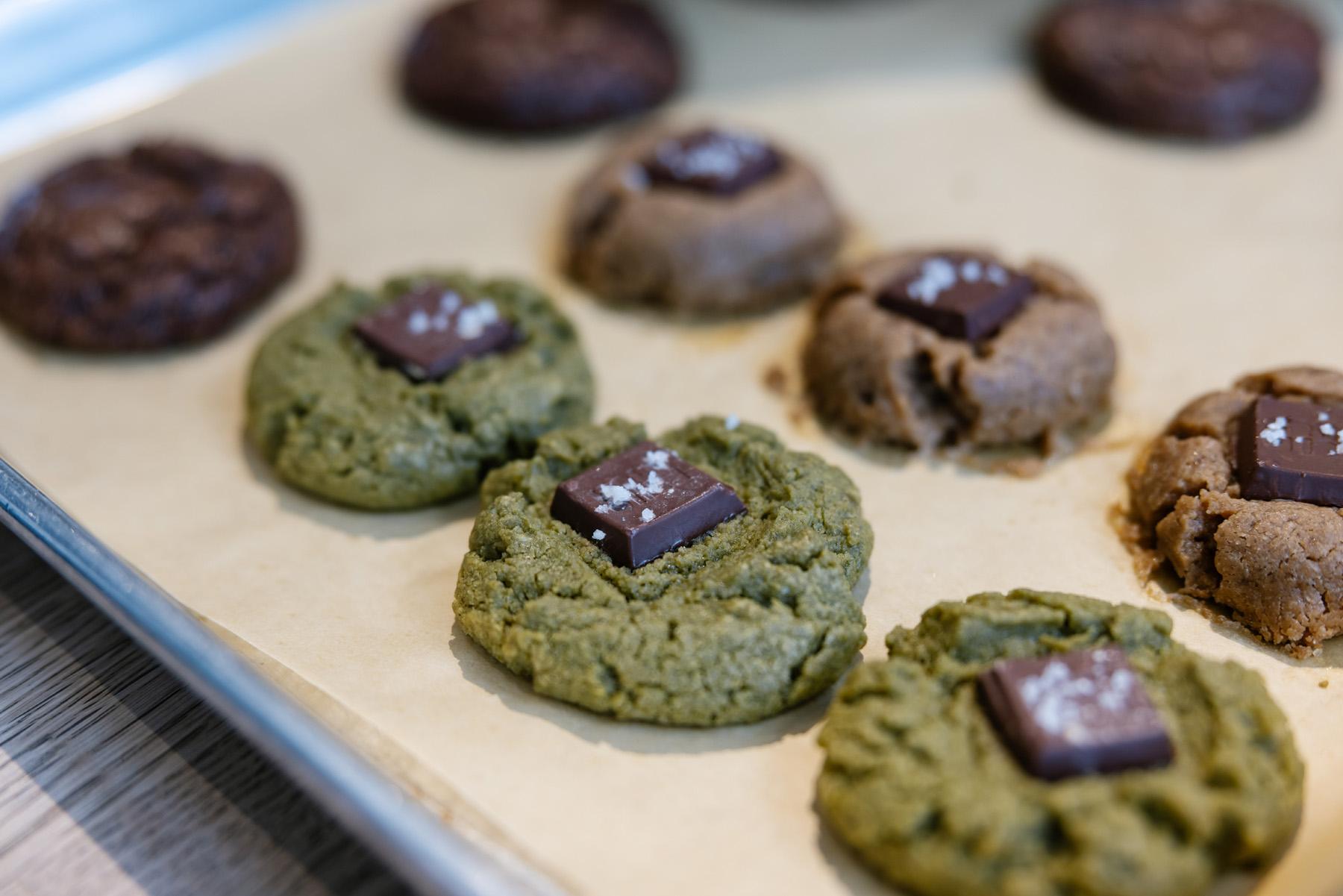
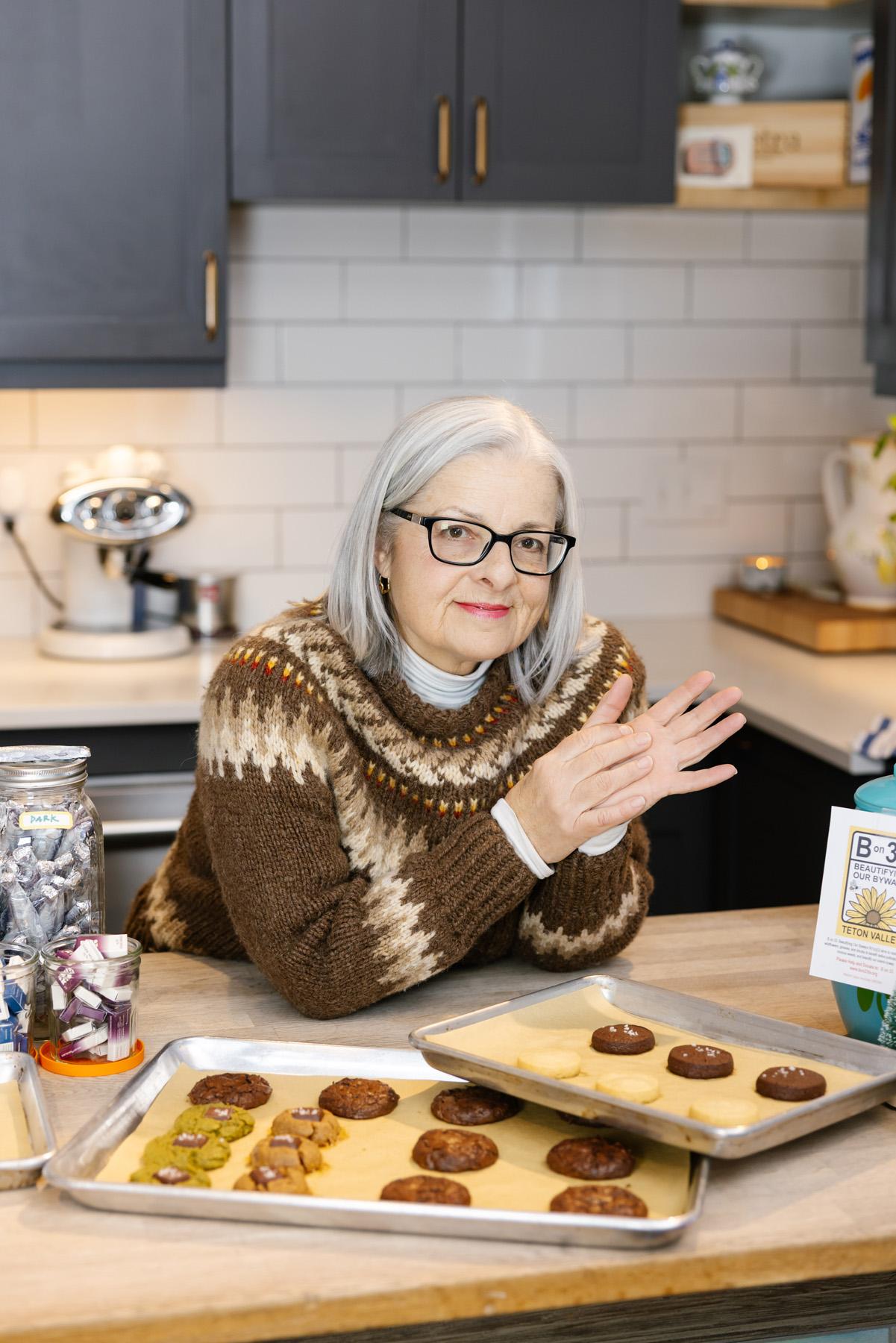
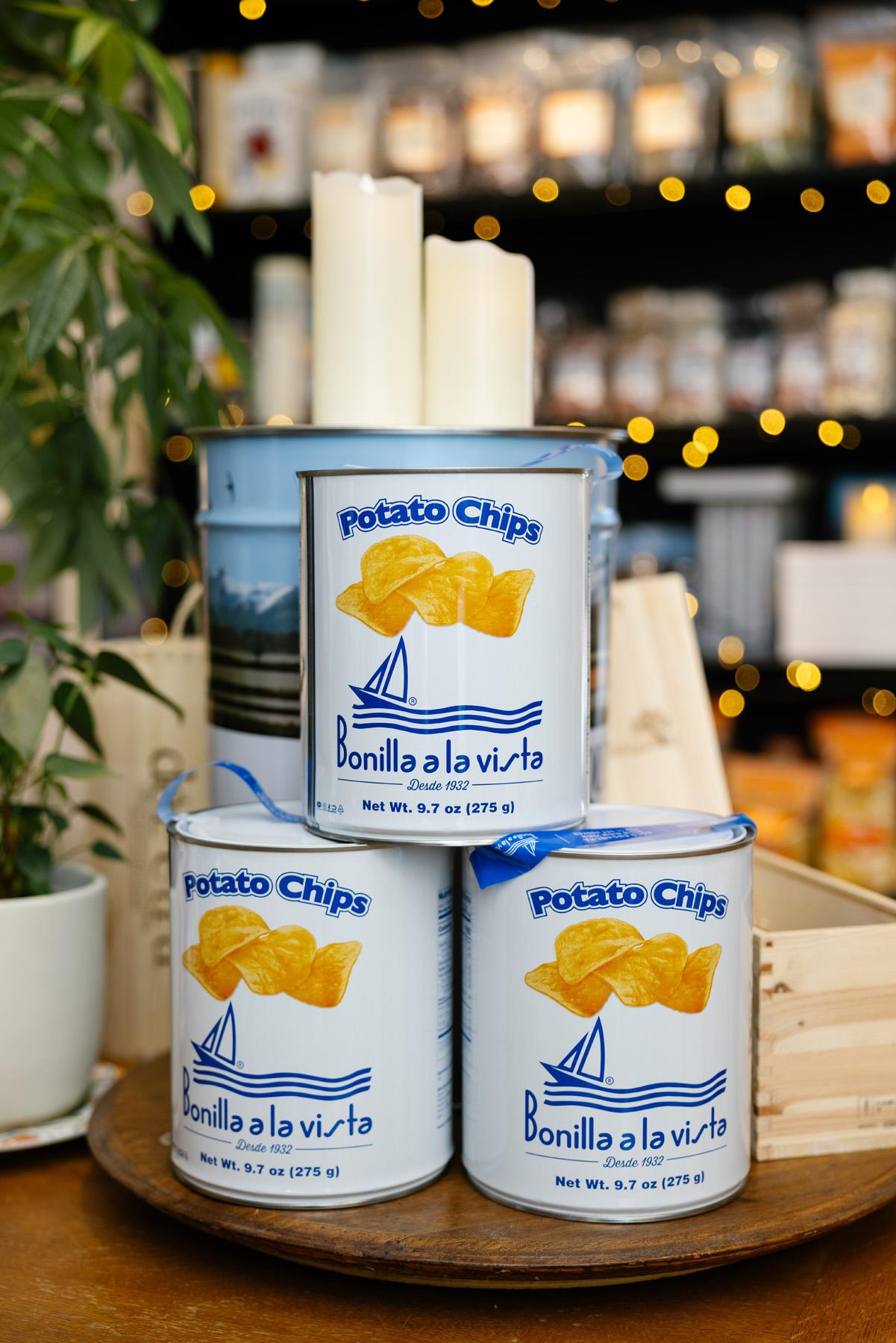
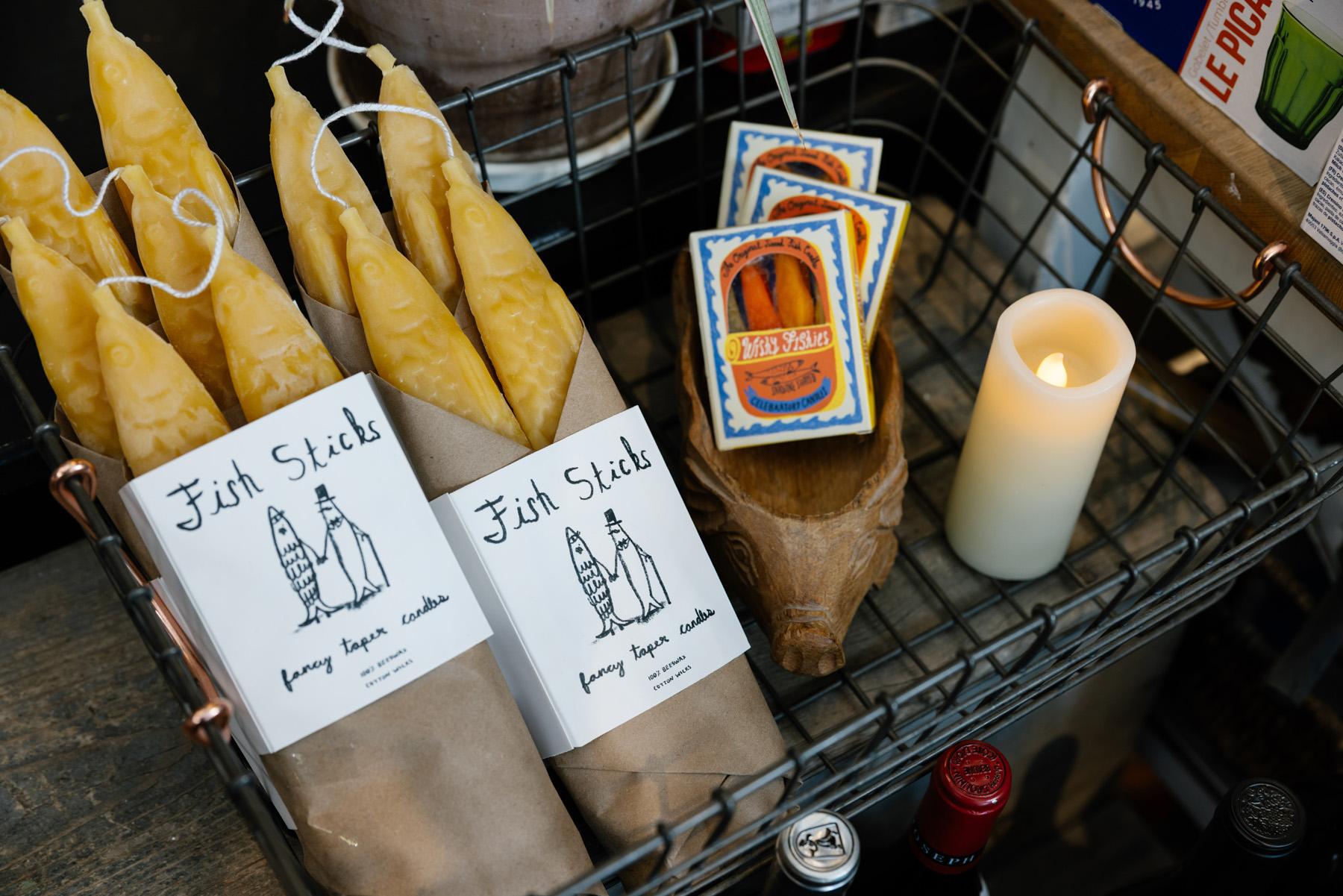
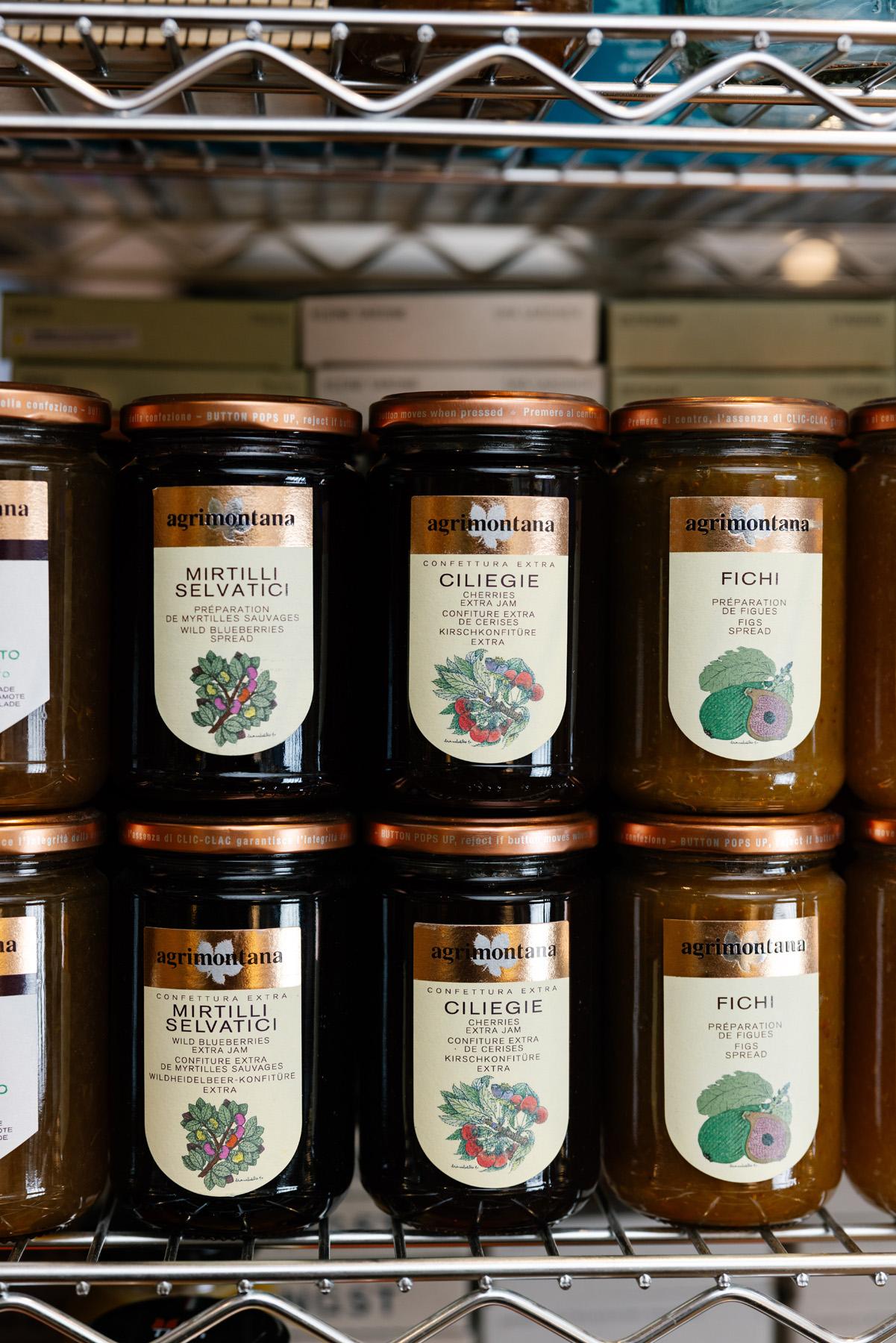
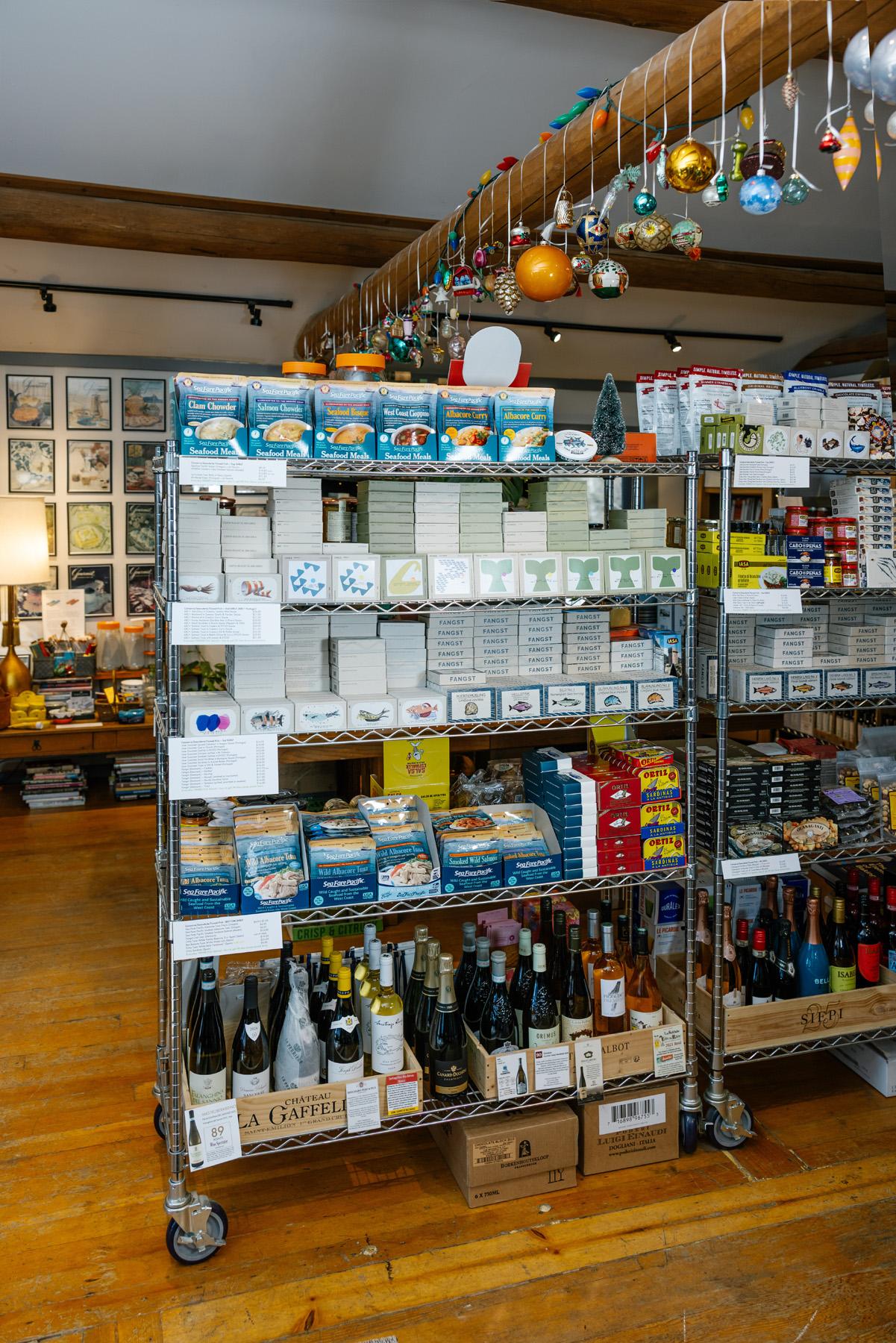
Most of those finds live on the shelves of Food Shed Idaho.
“If I love that item so much, I will always have a place for it,” she says.
In 2019, Cecily left her sales job and sold everything to travel the country in her Airstream trailer with an eye on her next chapter. Early on in her trip, she stopped to visit Teton Valley, where her niece Corinne McAndrews Woodruff runs a heritage pig farm, Late Bloomer Ranch, in Driggs.
During that initial trip, her wheels started turning. She knew she wanted to find a community to call home and also be near a relative. Teton Valley felt like a good fit.
“I thought, ‘What am I going to do to become a part of a community?’” Cecily says. “I was prepared to not even stay in the food industry, but I thought I had a collection of amazing producers, a niche skillset, and this community had enough people to support it.”
She continued traveling, but eight months into her trip, the Covid-19 lockdown hit. Cecily felt pulled to come back to Teton Valley.
“There was nothing else like this here and I thought there’s enough of a clientele base, certainly in Jackson. But there are also people like me who travel cross-country, and they do not want to eat highly processed, repetitive [food] that you get everywhere.”
Food Shed Idaho launched as an online store in November 2020, followed by the opening of its brick-and-mortar shop a year later.
Cecily chose “food shed” because the term is defined as “an area rich in agriculture.” Local coverage of the distinctive business expanding eastern Idaho’s food scene soon followed, culminating in March 2025 when The Wall Street Journal came knocking, and online orders skyrocketed. That Christmas, Cecily personally shipped more than six hundred boxes.
In all things, she keeps her sharp eye fixed on the details. One pasta variety she carries is dried between one and four days at a low temperature. (Most pastas are generally dried for three hours under high temperatures, making them less digestible.) She also ensures that every product on her website has a complete ingredient list, keeping those with allergies at front of mind.
National attention or not, Cecily is clear-eyed about the future of Food Shed Idaho and isn’t listening to the “shoulds.” She has exciting plans in the works and assures me there will always be a new product to find on her shelves (for example, she recently pinned down a secretive pesto producer).
As enthusiastic as Cecily is about what she has built, she is honest that she’s found what she can handle. Expansion, she says, would dilute what makes the store so special: her attention to everyone who walks in the door.
“I know who my customer is,” she says. “I like my quality of life. I like my customers. I like that I can be here. If I couldn’t, it wouldn’t be the same experience.”
Before I leave, Cecily hosts an impromptu vinegar tasting (she smartly stocks supermarket brands just to give shoppers a taste of the side-by-side differences). With a bottle of San Giacomo balsamic vinegar three years in the making tucked in my bag, I set off, feeling sunnier than when I arrived.
For a woman so deeply animated by her love of food, Cecily is sated. To learn more, visit foodshedidaho.com.